





India's school education system has seen no bigger transformation in the last decade than the rise of Atal Tinkering Labs (ATL). From government schools in small towns to remote rural institutions, ATL has given millions of children hands-on access to robotics, coding, 3D printing, and sensors — turning textbook theory into real-world creation.
What Exactly Is an Atal Tinkering Lab?

Launched in 2016 by the Atal Innovation Mission (AIM) under NITI Aayog, the ATL scheme has one simple but powerful idea: give students in grades 6 to 12 a dedicated makerspace where they can turn ideas into physical prototypes.
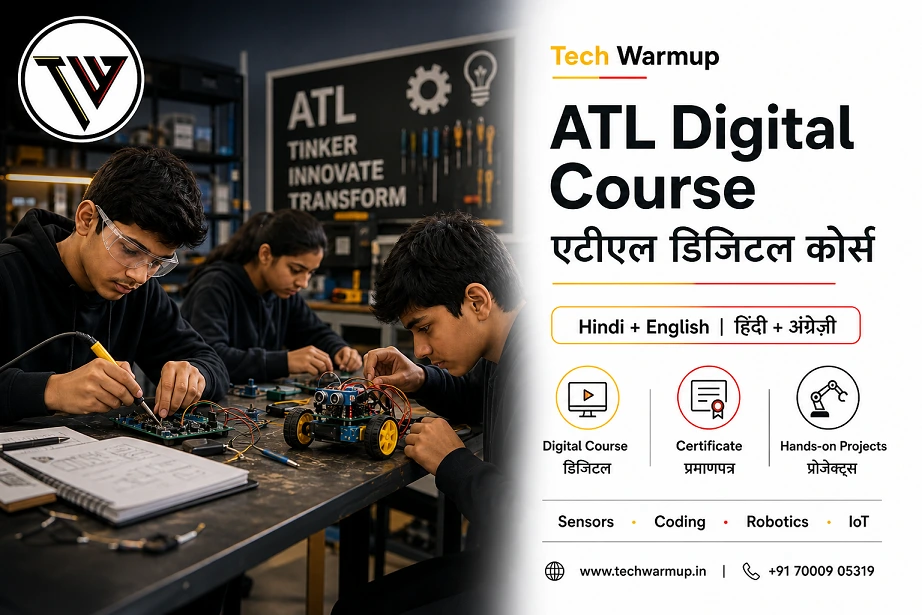
Every ATL is equipped with:
- DIY electronic kits and microcontroller boards (like Arduino and Raspberry Pi)
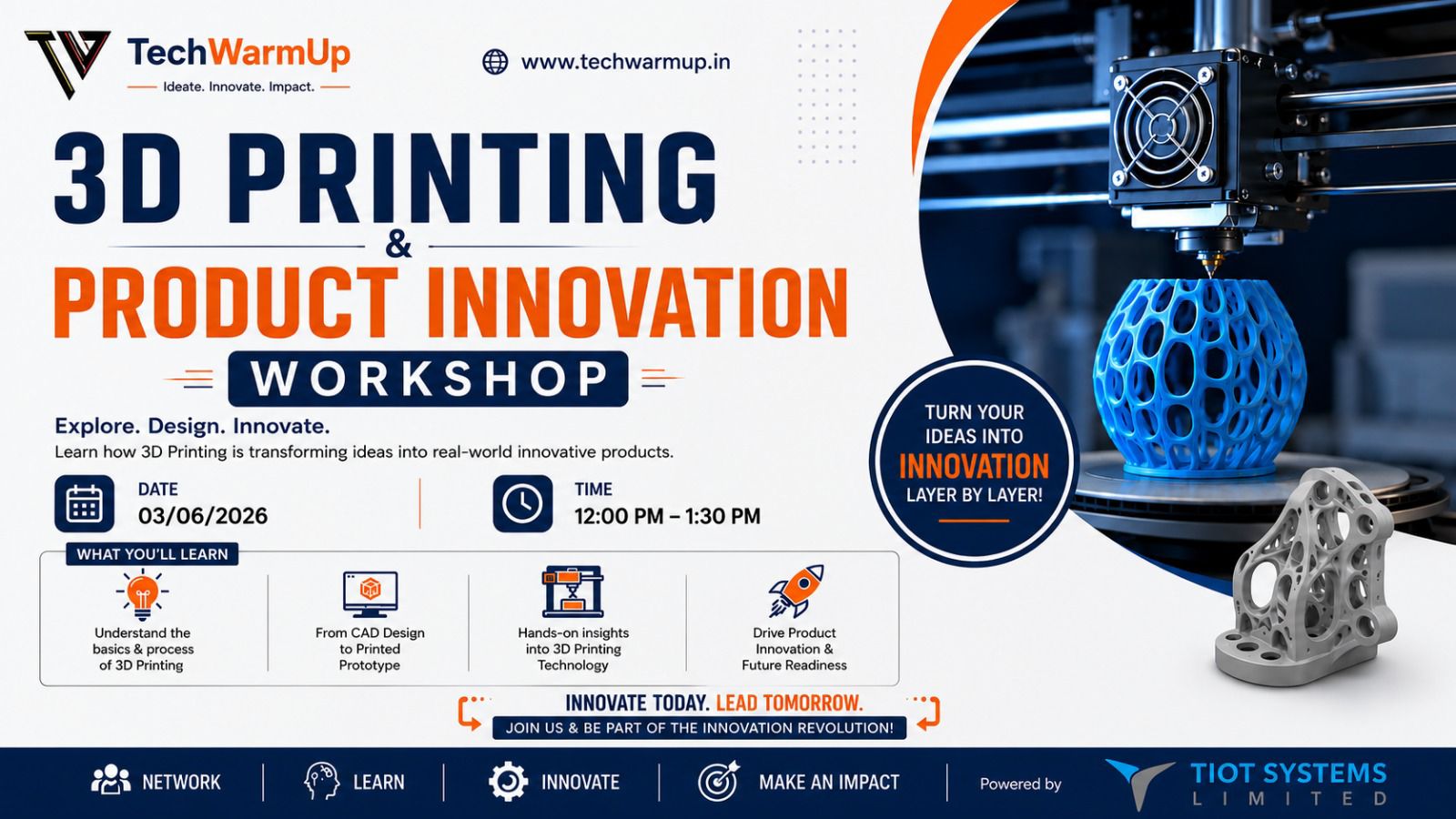
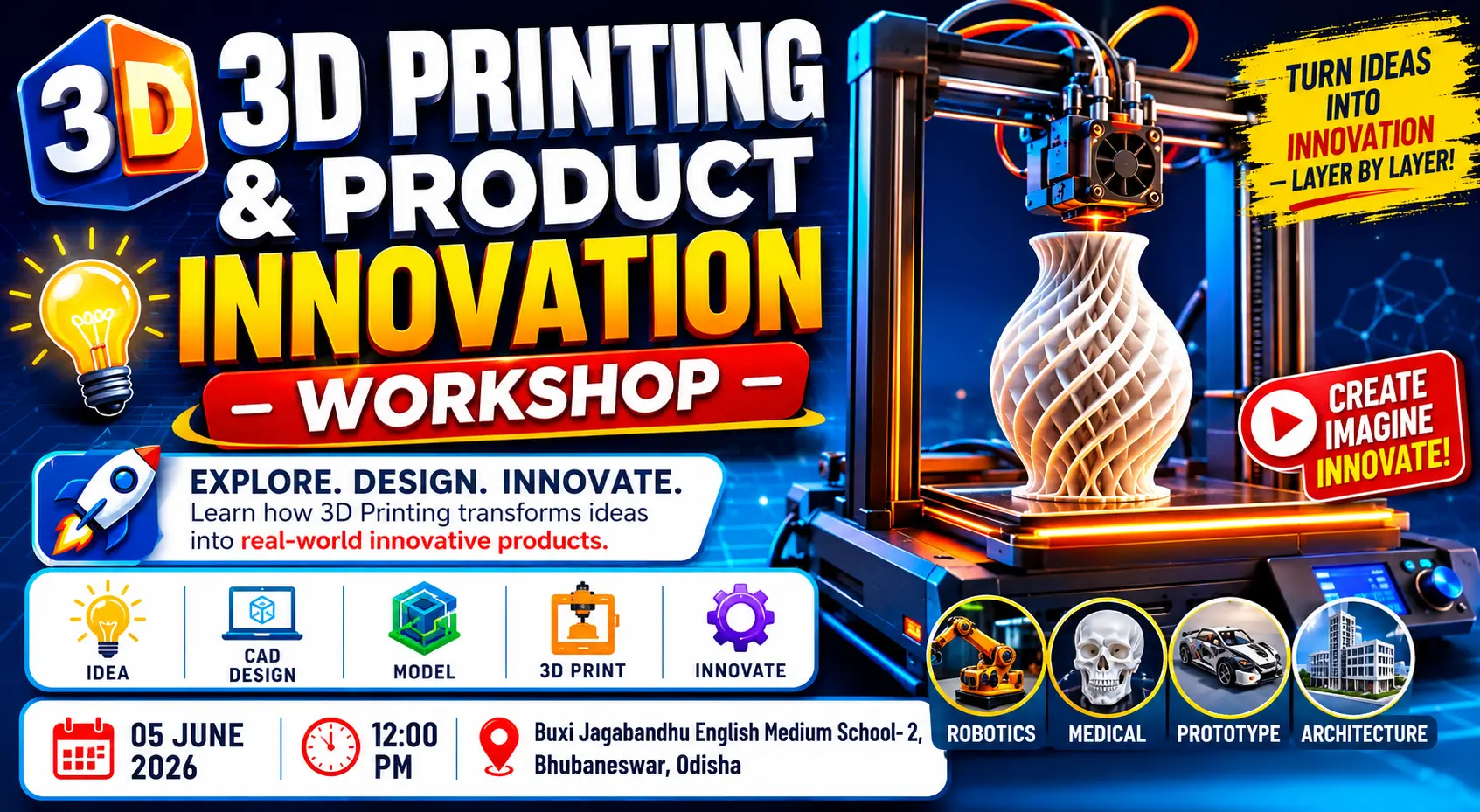
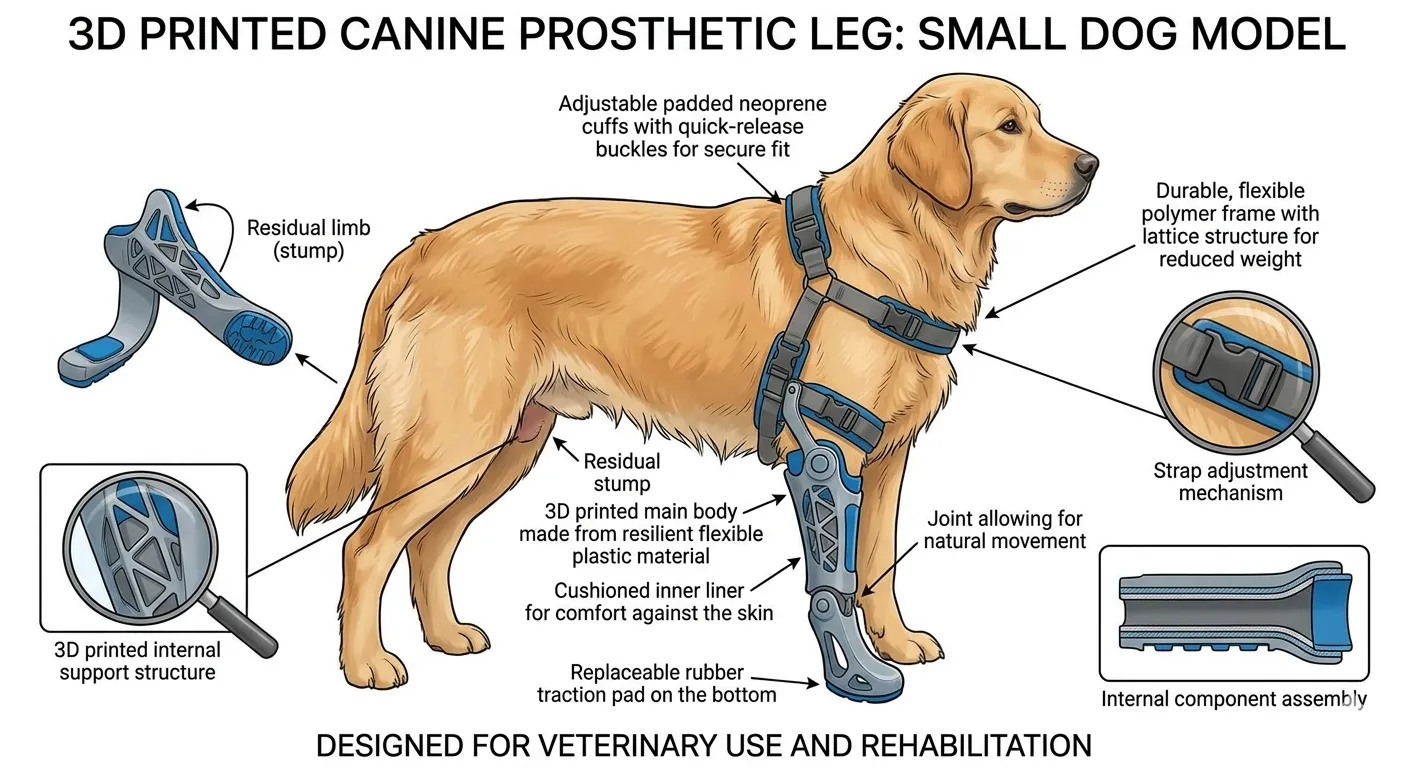
- 3D printers that let students rapidly prototype their designs
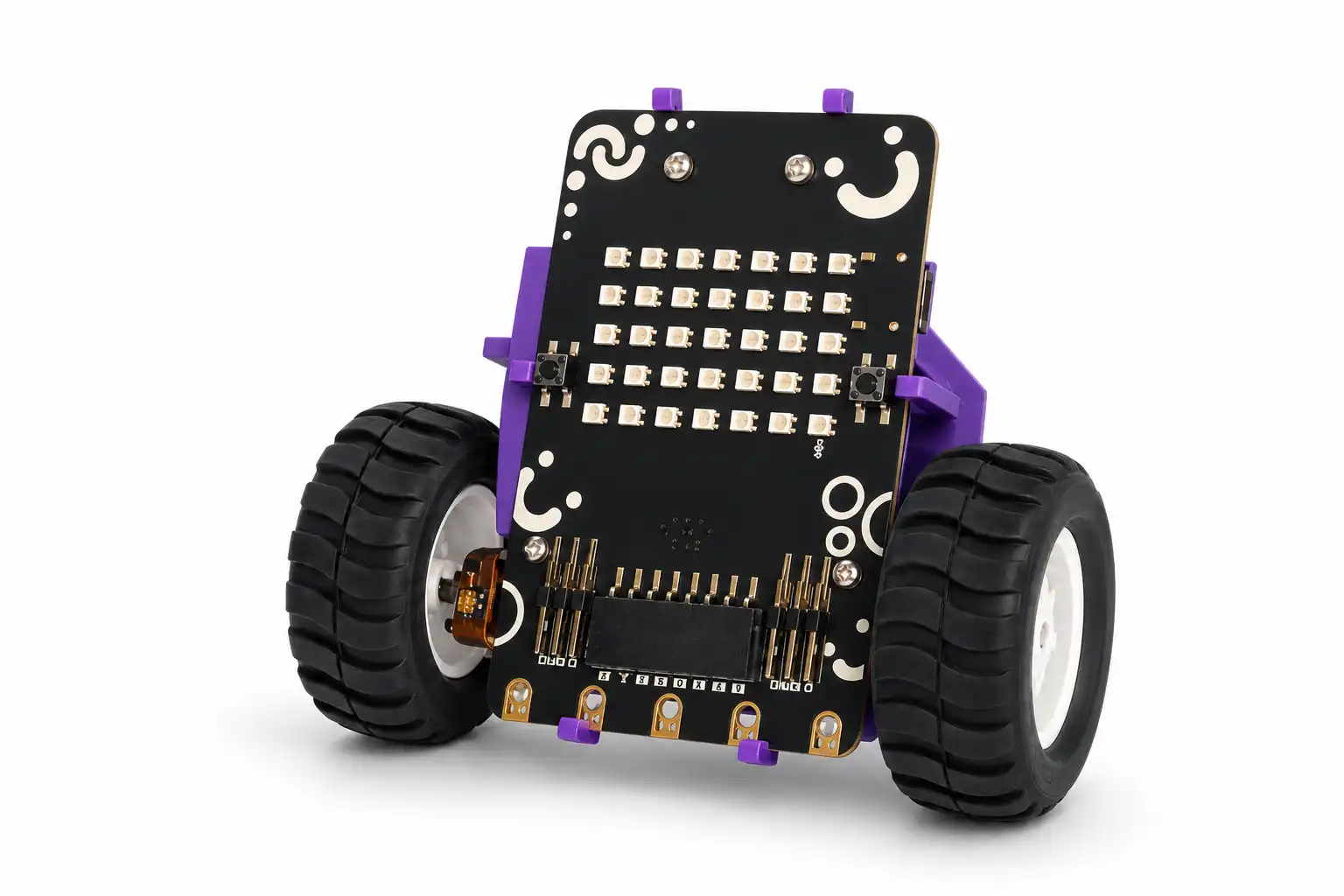
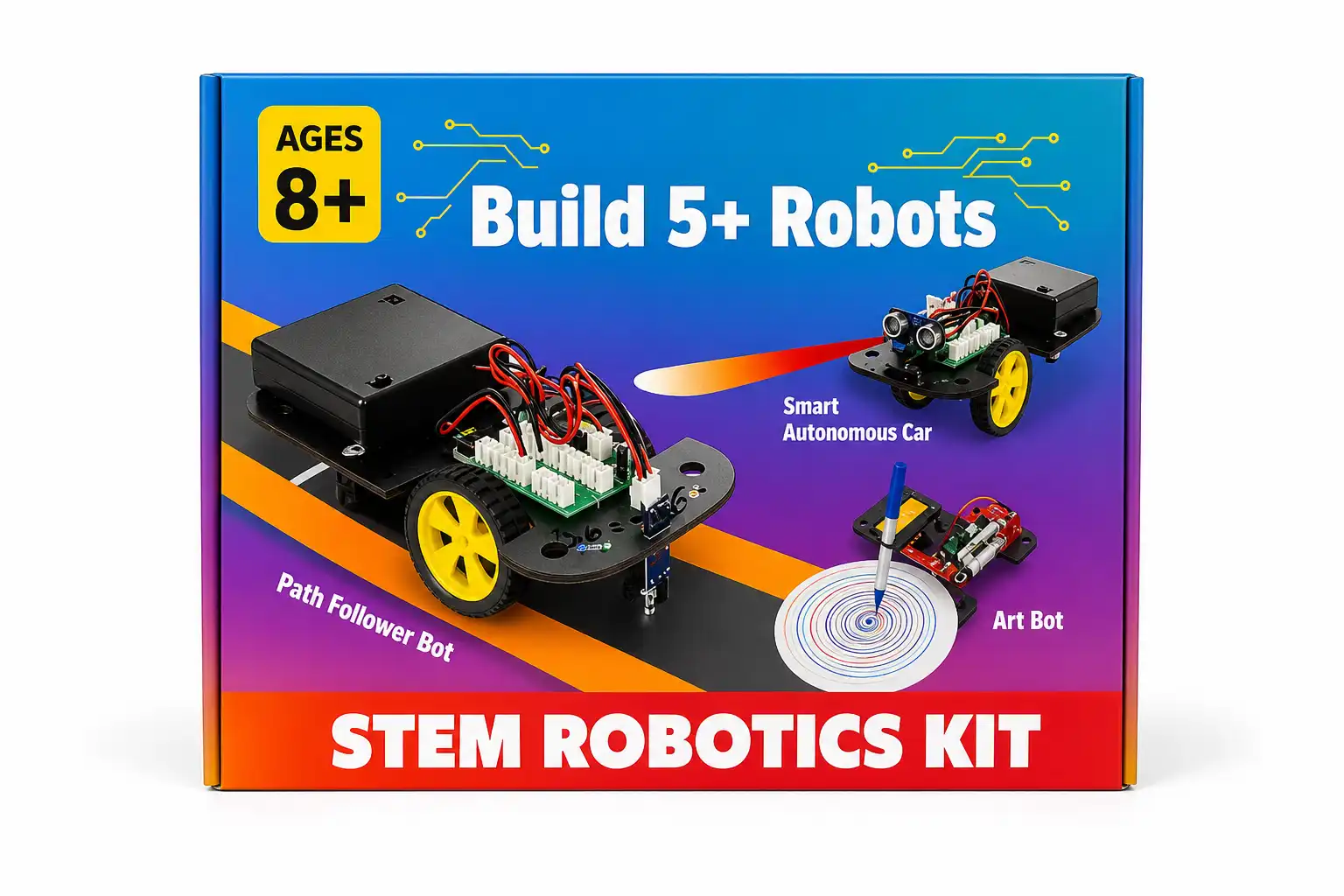
- Robotics kits and sensors for building automation and AI-based projects
- STEM learning tools that connect classroom theory to real-world problem-solving
In essence, ATL is a space where learning happens by doing rather than memorizing — echoing India's ancient gurukul tradition of experiential education, reimagined for the 21st century.
The Scale: Numbers That Tell a Story

As of October 2025, the reach of ATL has grown into one of the largest school-innovation networks in the world:
- Over 10,000 Atal Tinkering Labs are now operational across 722 districts in India According to the Government of India, 10,000 Atal tinkering labs (ATLa) have already been established in schools across the 722 districts in India.
- More than 1.1 crore students are directly engaged with these labs ATLs have engaged more than 1.1 crore students.
- Students have collectively created over 16 lakh innovation projects, ranging from simple sensor devices to advanced robotics prototypes ATLs have led to the creation of more than 16 lakh innovation projects across the country.
- More than 6,200 "Mentors of Change" guide students across these labs nationwide The leadership of more than 6200 Mentors of Change supports student learning at Atal Tinkering Labs.
- Notably, 96% of ATLs are set up in girls' or co-ed schools, reflecting a strong push toward gender-inclusive STEM access.
And the expansion isn't slowing down — 50,000 additional ATLs are currently in the process of being rolled out for 2025-2026, a fivefold scale-up.
Real Impact, Beyond the Numbers

1. Skills That Go Beyond the Classroom
ATL's core focus — design thinking, computational thinking, and physical computing — represents a sharp departure from rote learning. Students are evaluated on what they build, not just what they memorize.
2. Reaching Rural and Underserved Communities
Perhaps the most significant achievement is geographic and social reach. ATL isn't confined to metro cities or private schools — rural institutions that once lacked quality STEM infrastructure now have access to robotics kits and 3D printers, regardless of gender or economic background.
3. Fueling Startups and Higher Education Pathways
ATL alumni are increasingly securing admission to IITs and NITs with real project portfolios in hand, and some are launching their own startups straight out of school Former ATL students are founding startups, winning global robotics championships, and securing spots at premier institutions like IITs and NITs, with real-world project portfolios that give them a head start.
4. Aligning with NEP 2020
The ATL program dovetails directly with the National Education Policy (NEP) 2020's vision of competency-based, experiential learning — prioritizing application over memorization.
Government's Financial Commitment

The Ministry of Education's budget allocation for FY25 rose to ₹1,28,650 crore, with a significant share earmarked for ATL expansion The Ministry of Education's budget allocation for FY25 increased 6.22% YoY to Rs. 1,28,650 crore, and this funding will help establish 50,000 ATLs in government schools by 2030. In the program's early phase (2016-2019) alone, ₹1,000 crore was allocated just to establish the first 10,000 labs — signaling a long-term government commitment to this vision.
The Challenges That Remain
No success story is without its gaps:
- Mentor availability and quality vary significantly across labs
- Infrastructure upkeep remains a challenge, especially in remote schools
- Underutilization is common where teacher training hasn't kept pace with equipment rollout
- Urban-rural disparities persist in broadband access, technical support, and advanced components

The Road Ahead
If India achieves its goal of 50,000 ATLs by 2030, it will not only become the world's largest school-level innovation ecosystem but also build the grassroots innovator pipeline that initiatives like "Make in India" and "Digital India" depend on. The real test will be whether these labs move beyond setup numbers to genuinely reshape how millions of students think about solving problems.
At its core, ATL isn't just a government scheme — it's a bet on India's next generation of innovators, engineers, and entrepreneurs, who will emerge not from classrooms, but from workshops.
Comments