



 By VC
By VC
Hello, Young Innovators and Inspiring Educators!
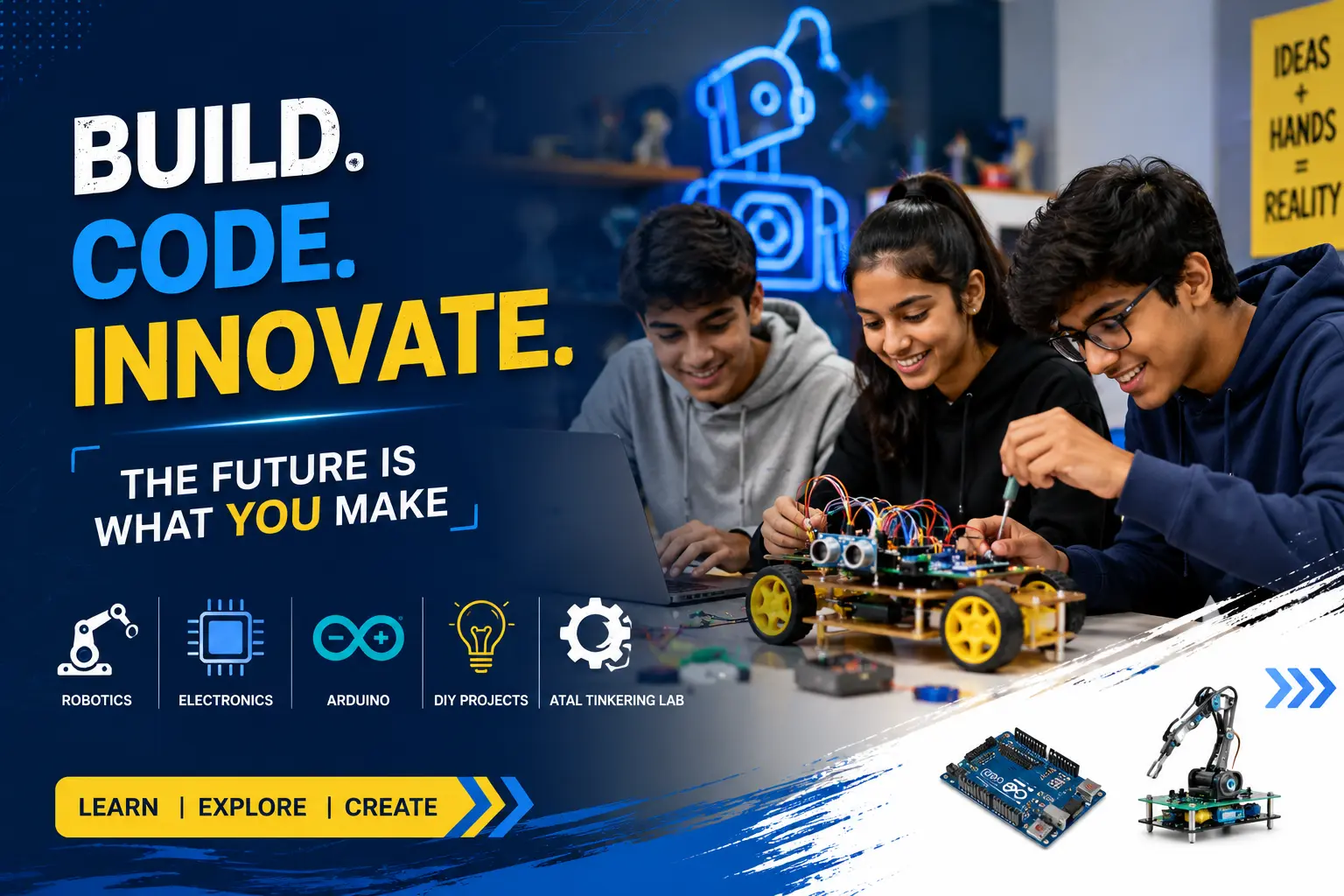
Remember that buzz in the Atal Tinkering Lab (ATL) when a student’s robot finally moves exactly how they programmed it? Or that collective 'ooh' when a complex mechanism clicks into place? That’s the magic of robotics! Robotics competitions are fantastic platforms for students to showcase their creativity, problem-solving skills, and teamwork. But sometimes, finding truly unique and impactful project ideas can be a bit challenging. We often see the usual line-following or sumo bots, which are great for learning fundamentals, but let's push the boundaries a little, shall we?
At TechWarmup.in, we believe in nurturing innovation that addresses real-world challenges. So, I’ve put together five fresh robotics project ideas that are not only exciting for school students but also provide deeper learning opportunities for your next STEM competition. These are designed to spark imagination and encourage practical applications of technology.

1. Eco-Bot: Automated Waste Segregator
Imagine a robot that doesn't just collect waste but actually sorts it! This project challenges students to build a robot equipped with sensors (like color sensors for different materials or even simple weight sensors) that can identify various types of waste – say, plastic, metal, and organic – and then move them into separate bins. This tackles a crucial environmental problem and teaches about sensors, actuators, and decision-making logic in programming. Think about the impact this could have in our communities!

2. Agri-Bot: Smart Farm Assistant
With agriculture being such a vital sector, why not have robots help out? An Agri-Bot could be a small rover designed to monitor a miniature farm plot. Students can equip it with soil moisture sensors to detect when plants need watering, light sensors to check for optimal sunlight, or even a basic camera for pest detection. The robot could then autonomously water specific plants or send data to a central system. This project introduces students to IoT concepts, environmental sensing, and sustainable technology.
3. Guardian-Bot: Home Safety & Assistance
How about a robot that helps make our homes safer and assists family members? A Guardian-Bot could be programmed to patrol a designated area, detect obstacles using ultrasonic sensors, or even identify unusual sounds (like a smoke alarm or a doorbell) and send alerts. For a more advanced version, it could be a simple 'fetch' robot, programmed to deliver small items to a specific location in the house. This idea encourages thinking about user interface, safety protocols, and basic navigation algorithms.

4. Art-Bot: Creative Drawing Machine
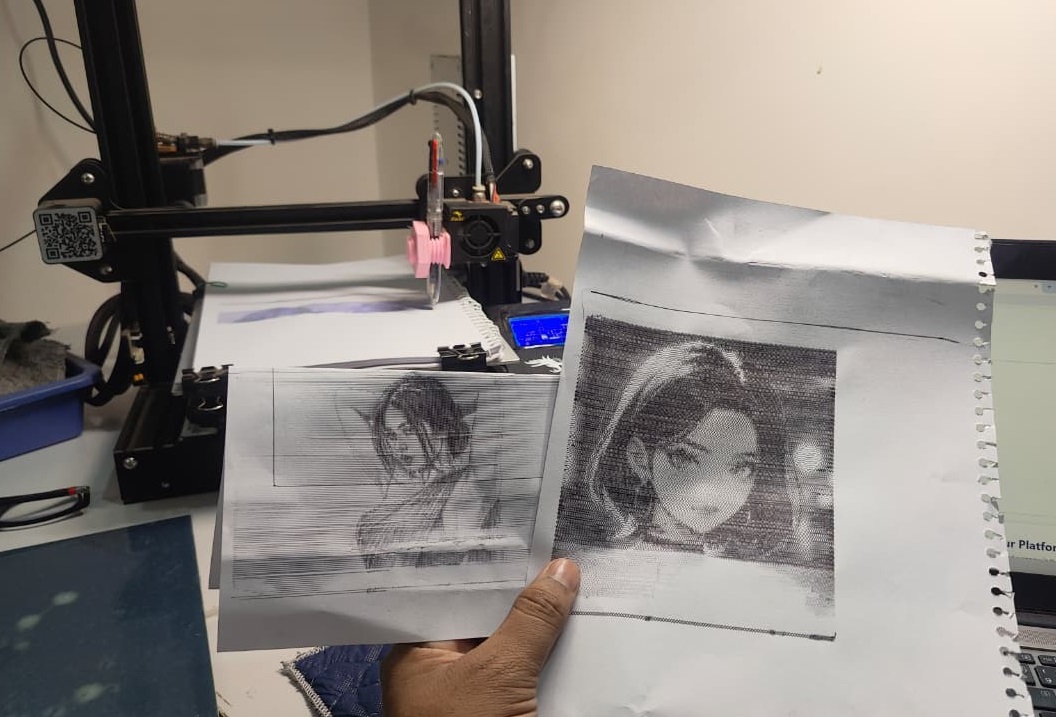
Who says robots can't be artists? An Art-Bot is a fantastic way to merge technology with creativity. Students can design a robot that holds a pen or marker and is programmed to draw intricate patterns, geometric shapes, or even simple caricatures based on specific inputs or algorithms. It could be a plotter-style robot or a free-moving bot. This project is a wonderful blend of mechanical design, precise motor control, and creative coding, opening up a world where art meets automation.

5. Rescue-Bot: Disaster Response Explorer
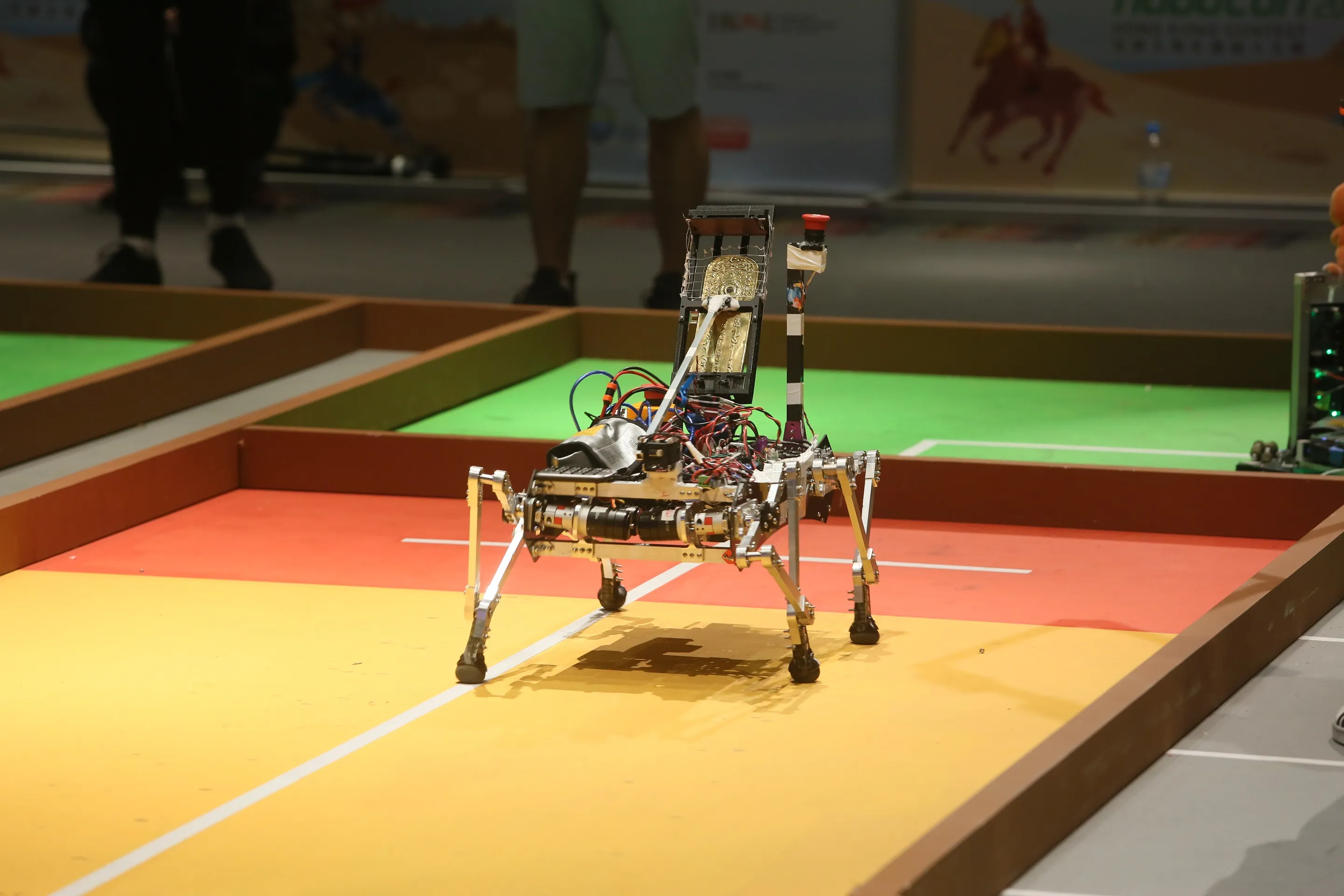
This is where problem-solving truly shines! Students can design a small, robust robot capable of navigating a simulated disaster zone – think uneven terrain, dark passages, or areas with 'debris.' The robot's mission could be to locate 'survivors' (represented by a specific color, heat source, or sound) and relay their position. This challenges students with advanced navigation, sensor integration (like thermal sensors or sound detectors), and robust mechanical design for rough environments. It's about building robots that can genuinely make a difference in critical situations.

Why These Ideas Matter for STEM Learning
These projects go beyond just making a robot move. They encourage:
- Real-World Problem Solving: Students connect their learning to global and local challenges.
- Interdisciplinary Thinking: They blend science, technology, engineering, art, and math.
- Advanced Sensor & Actuator Use: Moving beyond basic sensors to more specialized ones.
- Creative Coding & Logic: Developing complex algorithms for decision-making.
- Teamwork & Communication: Essential skills for any future career.
Bringing It to Your Classroom or ATL Lab
As educators, you know the spark that lights up a student's eyes when they see their idea come to life. Encourage them to choose one of these ideas (or let them inspire their own unique concept!). Provide them with tools like Arduino, Raspberry Pi, various sensors, motors, and readily available materials for prototyping. Guide them through the design thinking process: understanding the problem, brainstorming solutions, prototyping, testing, and refining.
Conclusion
Robotics is more than just wires and code; it's about empowering the next generation of problem-solvers, innovators, and creators. By challenging students with unique and impactful projects, we're not just preparing them for competitions; we're preparing them to shape a better future. So, let’s get tinkering and create some amazing robots!
Comments