





 By Tech Warmup
Do you sometimes forget to water your plants on time? 🌱
Well, you’re not alone! Many of us love plants but struggle to care for them regularly. So, for my latest DIY electronics school project, I decided to build a Smart Autonomous Plant Watering System that automatically waters plants when the soil becomes dry.
This project is simple, useful, and a great way to learn about sensors and automation. Let me take you through my journey of making it!
🌟 What is an Autonomous Plant Watering System?
It is a mini smart gardening system that:
✔ Detects moisture level in soil
✔ Automatically pumps water when the soil becomes dry
✔ Stops watering once the soil is wet enough
So plants stay healthy — even when you’re not at home!
🧠How Does It Work?
The system uses a soil moisture sensor which acts like the plant’s “feelings.”
If the soil is too dry → sensor sends signal → water pump turns ON
If the soil has enough moisture → pump switches OFF
A simple transistor-based switch controls the pump, so the system doesn’t need any coding or microcontroller.
🔧 Materials I Used
|
 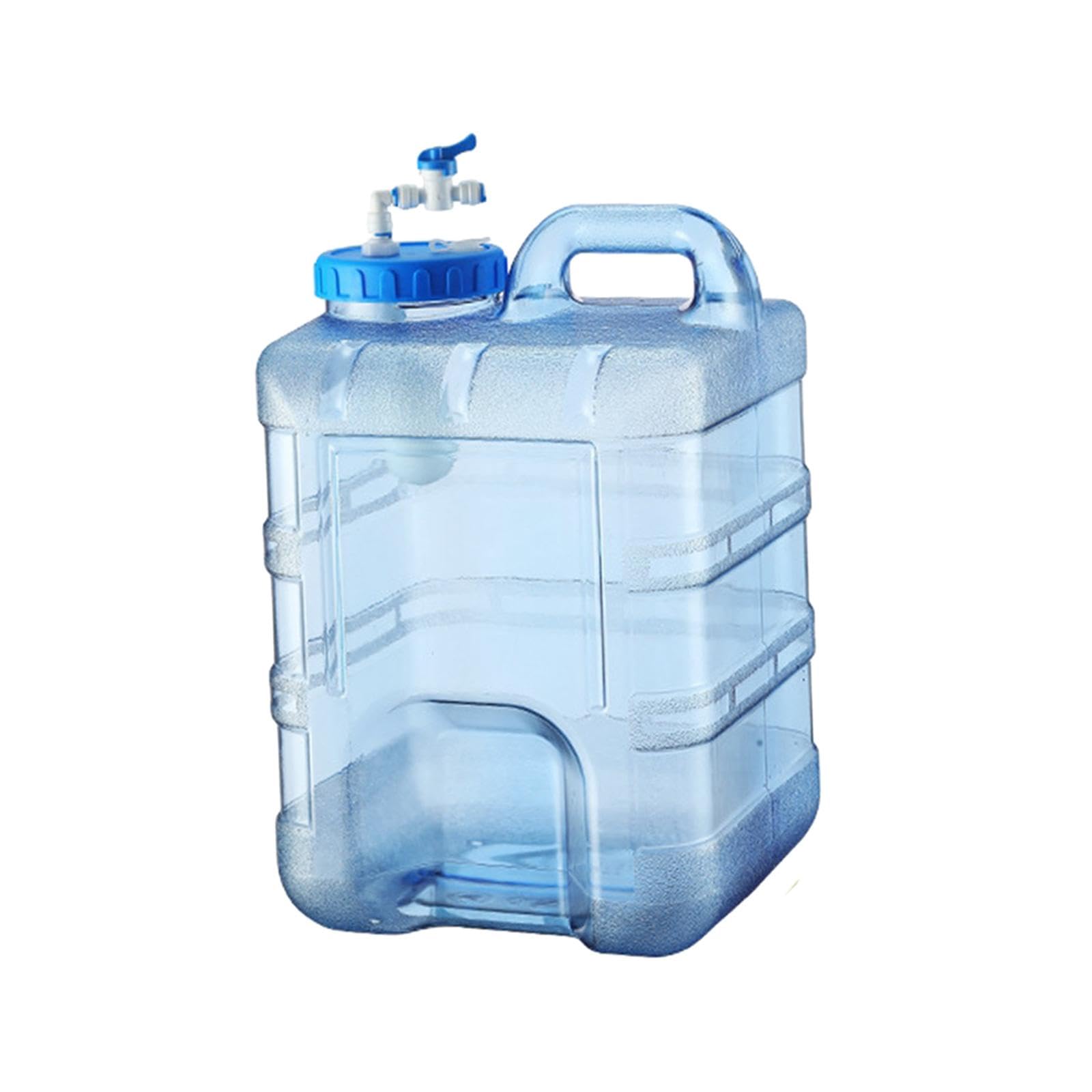 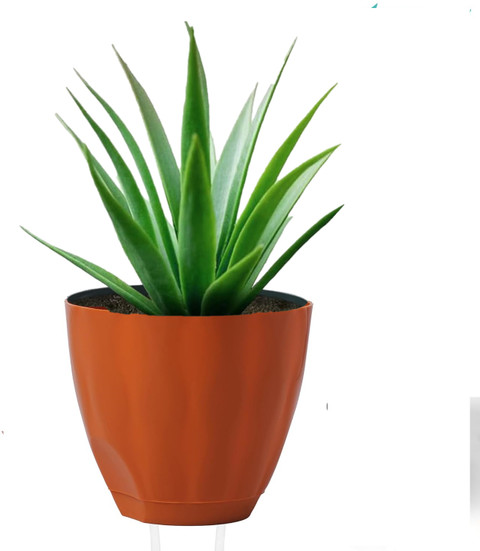 |
All of these items are easily available at low cost. 🪴✨
âš™ï¸ Circuit Concept Explained
The moisture sensor keeps checking the soil.
When soil dries → its resistance increases
→ Transistor gets activated
→ Pump starts and sends water to the plant
Once soil is moist again
→ Resistance drops
→ Pump turns off automatically
Smart, right? 😄
It works exactly like our brain telling us “Drink Water!” 💧
🧪 Steps to Build It

1ï¸âƒ£ Insert the moisture sensor inside the plant soil
2ï¸âƒ£ Connect the sensor output to the transistor base
3ï¸âƒ£ Connect pump to transistor + battery
4ï¸âƒ£ Place pump pipe in the plant pot
5ï¸âƒ£ Keep water container beside pot
6ï¸âƒ£ Switch ON → Watch the magic!
You can decorate the project base with chart paper, labels, and a neat layout for school presentation.
🎯 Where Can We Use It?
|
🌠Why This Project is Important?
✔ Saves water by providing only what is needed
✔ Prevents plant damage due to over-watering
✔ Promotes automation & smart agriculture
✔ Inspires students to think about sustainable living
This little project is a step toward smart farming and eco-friendly technology — something our future truly needs! 🌎💡
By Tech Warmup
Do you sometimes forget to water your plants on time? 🌱
Well, you’re not alone! Many of us love plants but struggle to care for them regularly. So, for my latest DIY electronics school project, I decided to build a Smart Autonomous Plant Watering System that automatically waters plants when the soil becomes dry.
This project is simple, useful, and a great way to learn about sensors and automation. Let me take you through my journey of making it!
🌟 What is an Autonomous Plant Watering System?
It is a mini smart gardening system that:
✔ Detects moisture level in soil
✔ Automatically pumps water when the soil becomes dry
✔ Stops watering once the soil is wet enough
So plants stay healthy — even when you’re not at home!
🧠How Does It Work?
The system uses a soil moisture sensor which acts like the plant’s “feelings.”
If the soil is too dry → sensor sends signal → water pump turns ON
If the soil has enough moisture → pump switches OFF
A simple transistor-based switch controls the pump, so the system doesn’t need any coding or microcontroller.
🔧 Materials I Used
|
|
All of these items are easily available at low cost. 🪴✨
âš™ï¸ Circuit Concept Explained
The moisture sensor keeps checking the soil.
When soil dries → its resistance increases
→ Transistor gets activated
→ Pump starts and sends water to the plant
Once soil is moist again
→ Resistance drops
→ Pump turns off automatically
Smart, right? 😄
It works exactly like our brain telling us “Drink Water!” 💧
🧪 Steps to Build It
1ï¸âƒ£ Insert the moisture sensor inside the plant soil
2ï¸âƒ£ Connect the sensor output to the transistor base
3ï¸âƒ£ Connect pump to transistor + battery
4ï¸âƒ£ Place pump pipe in the plant pot
5ï¸âƒ£ Keep water container beside pot
6ï¸âƒ£ Switch ON → Watch the magic!
You can decorate the project base with chart paper, labels, and a neat layout for school presentation.
🎯 Where Can We Use It?
|
🌠Why This Project is Important?
✔ Saves water by providing only what is needed
✔ Prevents plant damage due to over-watering
✔ Promotes automation & smart agriculture
✔ Inspires students to think about sustainable living
This little project is a step toward smart farming and eco-friendly technology — something our future truly needs! 🌎💡
Comments